“She took care of her younger twin sisters like a mother,” says Miranda. “She would take them to the park, play with them and always looked out for them.”
For a few years, they lived on the Samahquam reserve near Pemberton. Abby and her cousins, all girls around the same age, were inseparable.
“They rode around the reserve on their bikes down to the lake. Then they’d jump into the cold glacier water, hop back on their bikes and head up and down the dirt hills. They were adorable,” remarks Miranda.
The family moved to Abbotsford and then Mission. As Abby grew up, she went back to the reserve for summers, hanging out with her cousins. She rode a longboard, spent time with friends, and listened to music.
“Music helped Abby take her mind off things, and she loved all kinds of music...For King + Country, Justin Bieber, Doja Cat, the Weeknd. If she was listening to music in my car it would be all over the place.”
As a young adult, Abby was starting to deepen her connection to her Indigenous heritage. She was learning to dance from her auntie and was attending cultural workshops with her mom. One of the last workshops she attended was learning how to cut fish.
“My parents both went to residential schools so we never grew up knowing any of our culture,” explains Miranda. “Now my dad, who is 84 years old, is teaching culture and language. He was teaching his granddaughter about our culture. Abby was his first ‘princess’ and they had a strong bond.”
At the end of April, Miranda was woken up in the middle of the night by Abby’s boyfriend knocking on the door. Initially, it didn’t sound like something too serious. However, the next day, Miranda went to see her daughter at Abbotsford Regional Hospital’s Intensive Care Unit and was told Abby had a severe brain injury.
“I was in denial. I was praying for her, and I was sure she was going to wake up,” recalls Miranda.
Miranda then learned that Abby had collapsed and been without oxygen for at least half an hour. There was nothing further doctors could do.
When Miranda and Abby’s father Hank were asked about organ donation, Miranda’s first instinct was to say no. She didn’t want her daughter to go through anything else. But when she and Hank discussed it further, they both agreed Abby would have chosen organ donation if she was asked.
“I believe Abby would have wanted to save lives. She was such a loving girl. I can hear her voice saying, ‘I want to help.’ It was hard but also comforting to know that some other parent or family member’s child or loved one would have their prayers answered.”
Before Abby was taken to the operating room for organ recovery surgery, drummers joined the family in her hospital room as they said their good-byes. Miranda and other women in the family sang the Women’s Warrior Song in her honour.
As Abby was wheeled through the hospital, her family walked with her while drummers led the procession. Family members, friends and hospital staff lined the hallways in a silent tribute.
For Coast Salish Peoples, the drum represents the heartbeat of Mother Earth, and the connection between all beings. Miranda says it was important that Abby’s final journey reflected her culture and community.
That day, Abby’s gift of life saved five people. She was 24 years old.
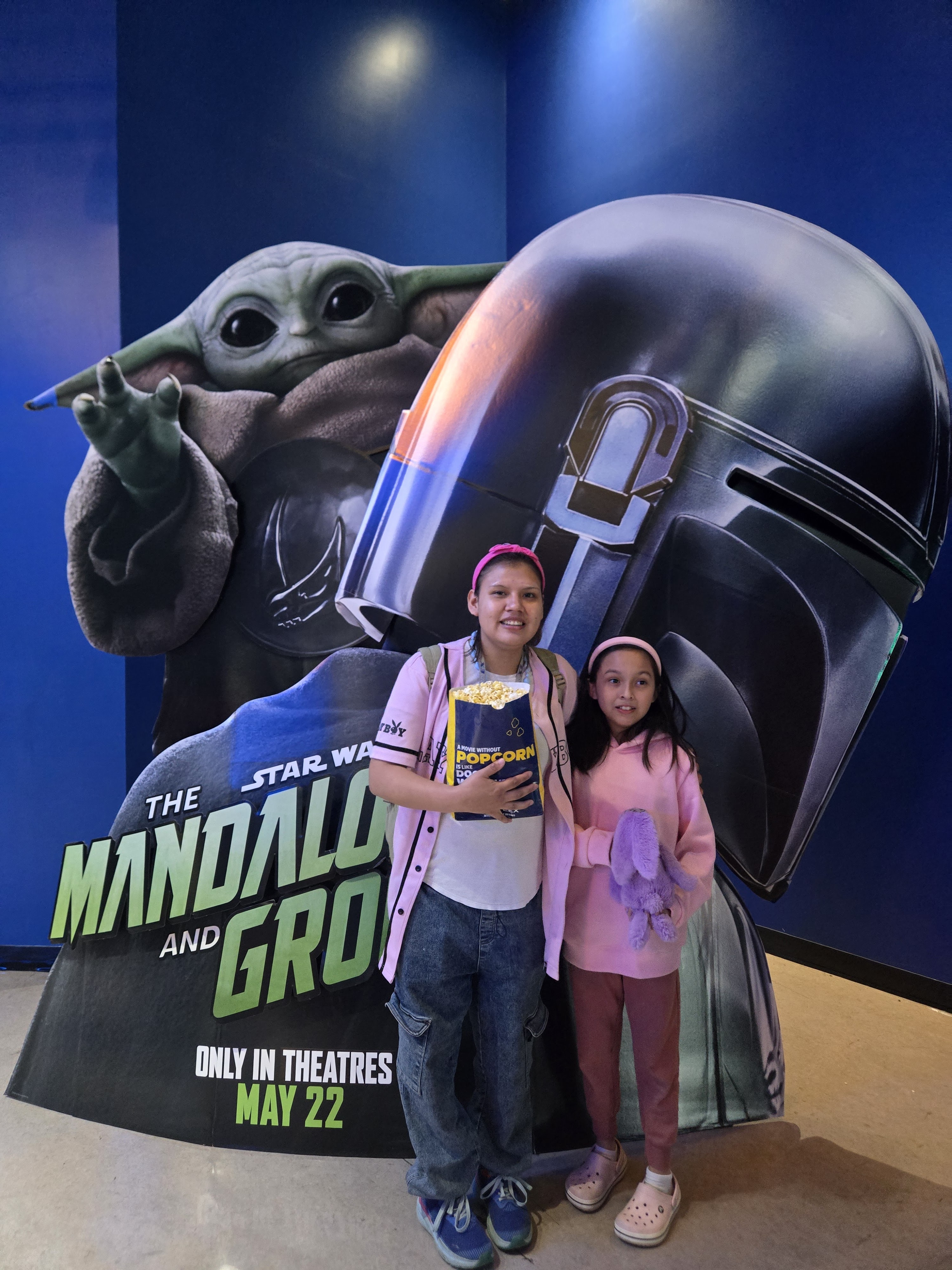
In the months since Abby's death, her family has found comfort in the lives she saved and the conversations her story has inspired. One of Miranda's cousins recently registered as an organ donor in Abby's honour.
Miranda also finds herself wondering whether any of Abby's recipients have suddenly developed a sweet tooth.
"You'd always see Abby with a giant jawbreaker," she says with a laugh. "She loved all kinds of gummies, Sweet Tarts, candy sticks—pretty much every kind of candy."
Then she pauses.
"I actually pray that her recipients love sugar now," she says. "As long as it doesn't bring diabetes. That would make me smile."