When Mark Hofeling received the call in August 2024, he didn’t believe it. After just three weeks on the transplant waitlist, a matching liver had been found.
“When it actually happens, you freeze, or at least I did,” Mark recalls. “I said, ‘Surely someone must need it more than me?’ But Dr. Chartier-Plante assured me it was not a mistake. This was the call.”
By then, Mark was critically ill with stage 3 cirrhosis. Fluid was building up in his body, his energy was gone, and sleep had become nearly impossible. Two days later, he was at Vancouver General Hospital receiving his second chance at life.
At the same time, a few hours away in Abbotsford, Holly Warner was at her son’s bedside, preparing to say good-bye.
Benjamin Warner had struggled with substance use disorder from his teenage years. He went to rehab several times, but the cycle continued.
“We tried to help him as much as we could. He had a home, but he didn’t want to live here. Unbeknownst to me, the months before he passed, he overdosed several times but had always been lucky enough to have someone around to help,” says Holly.
This time, Ben was alone. By the time paramedics arrived, his heart had stopped for half an hour. There was no chance of meaningful recovery.
When the family spoke with a BC Transplant donation coordinator, the decision felt clear. It was what Ben would have wanted. Seeing the form he had filled out to register as an organ donor only confirmed it.
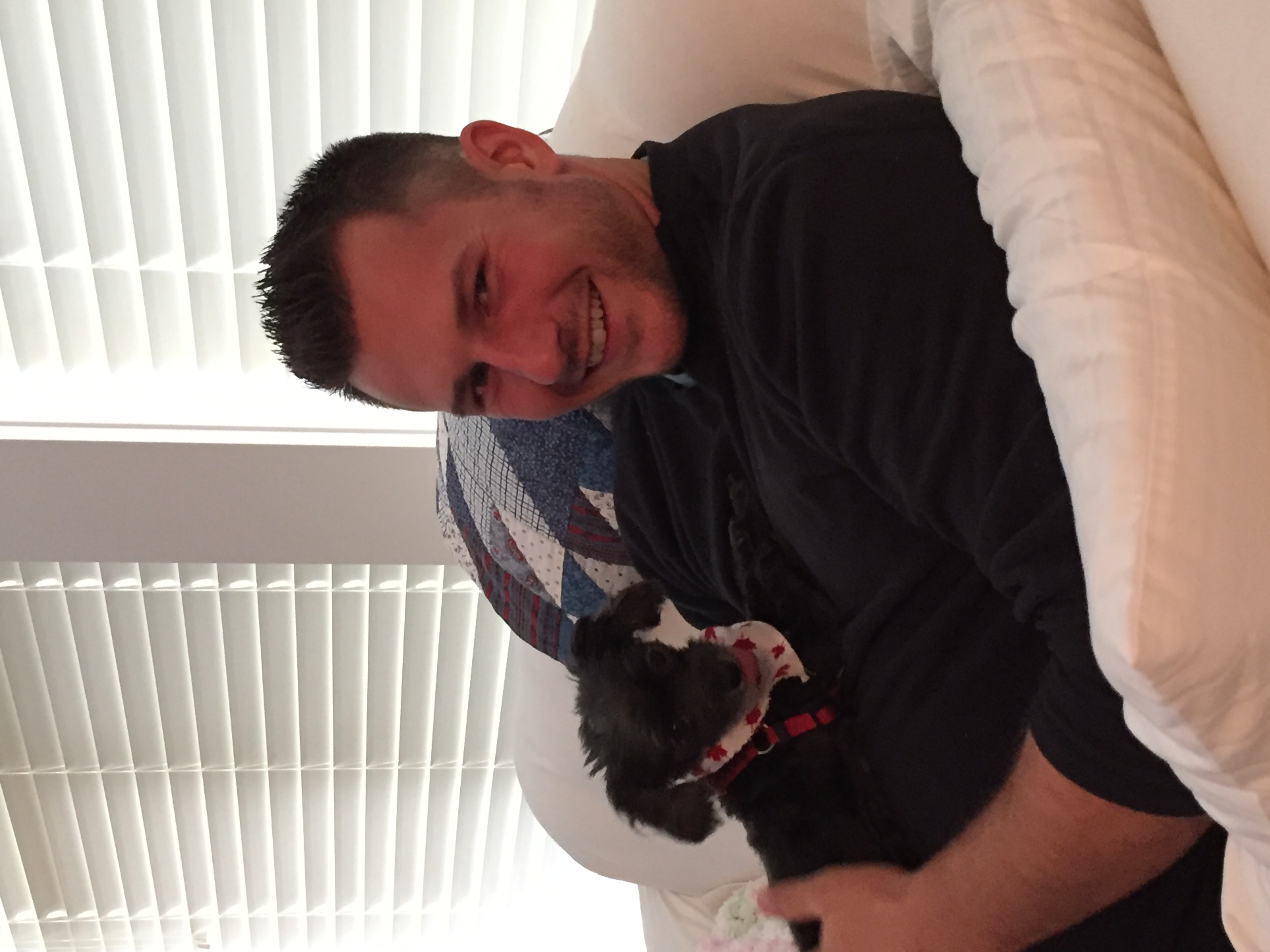
“He always wanted to help people. I think having that as his last act of kindness meant a lot to him. And as a family, although it was hard, we totally respected it.”
At just 37 years old, Ben saved three lives. One of them was Mark’s.
Eleven days after receiving his gift of life, Mark walked out of the hospital. The change was immediate—and astonishing.
“A week later, I decided to walk around the block and ended up going for more than 11 kilometers. The rate of recovery was shocking. I was like a kid on Christmas morning, every morning,” describes Mark.
As soon as his hand was steady enough to hold a pen, Mark wrote to his donor family, trying to express even a fraction of his overwhelming gratitude.
Under BC Transplant policy, correspondence between families of deceased donors and recipients remains anonymous. After one year, the donor family and recipient can independently request direct contact. If both sides are interested in direct contact, BC Transplant will facilitate the initial connection.
From the beginning, Mark knew that if the opportunity ever arose, he wanted to meet the family who had given him this second chance.
A week before Ben’s memorial, Holly received the letter. She was so touched she decided to read it to everyone at the memorial. There wasn’t a dry eye in the room.
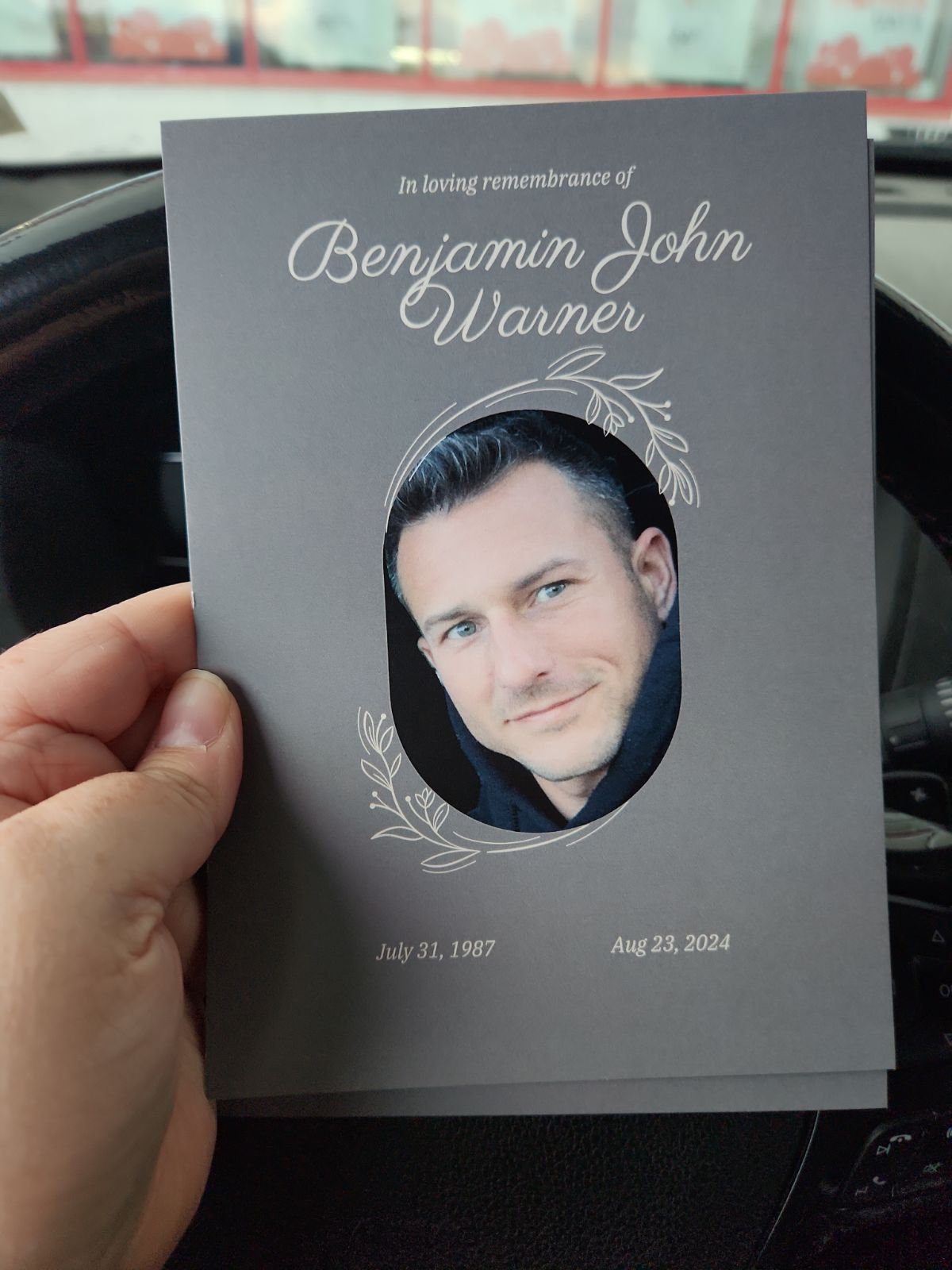
“It helped with grieving, knowing here was this man who didn’t have to contact us, but he did,” shares Holly. “And the gratitude that poured out in his words, I was just speechless.”
She put the letter in her purse and carried it with her everywhere.
Through the next year, Mark’s physical health kept improving. But emotional healing was more difficult.
“It’s a tremendous and beautiful struggle trying to make sense of the enormity of everything,” Mark explains. “It’s incredibly complicated and I wasn’t ready for that. The emotions that follow are so intense. Elation, followed by grief, a tremendous sense of guilt.”
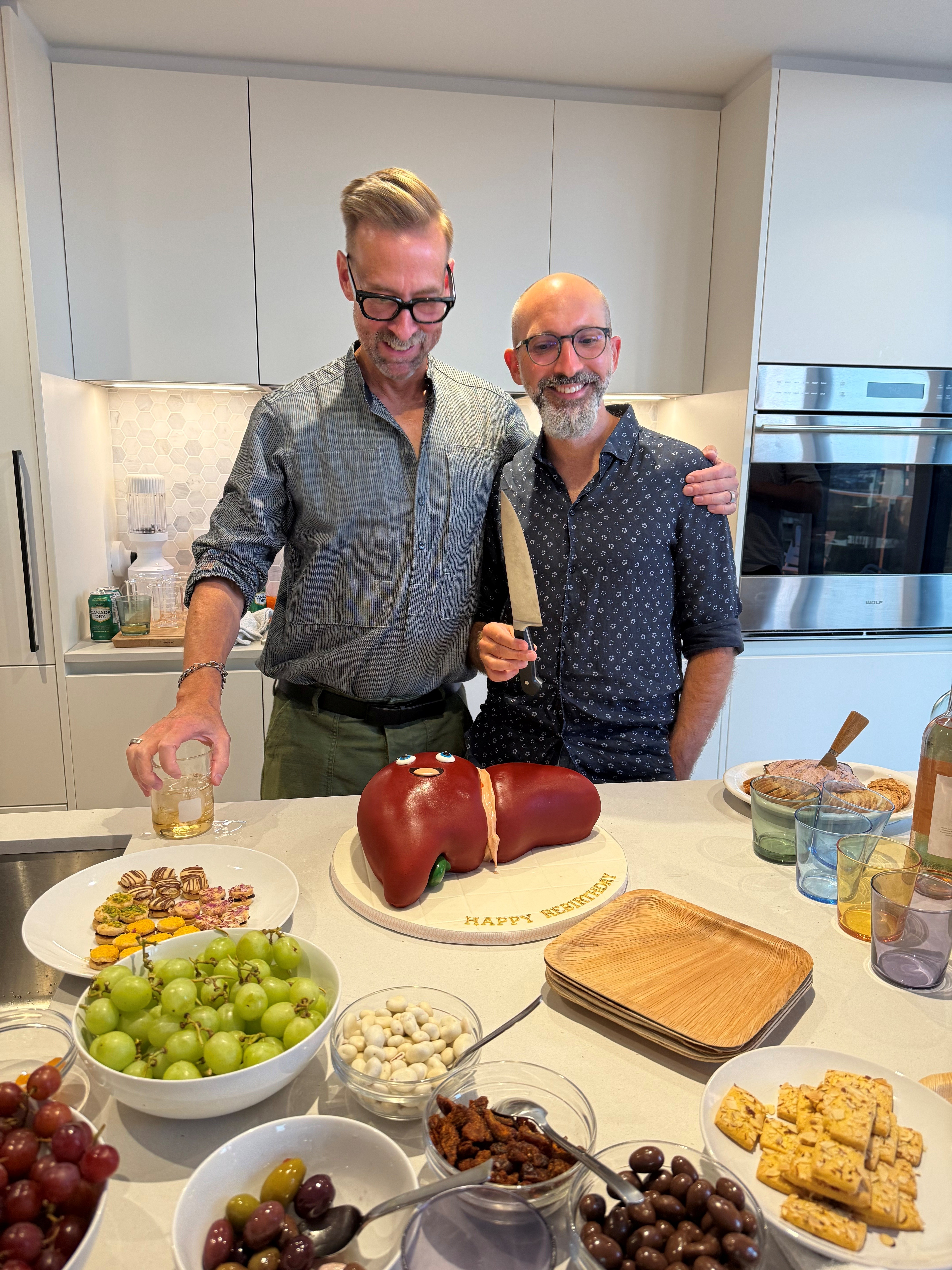
Mark with his surgeon, Dr. Graziano Oldani one year after transplant
A year later, Mark wrote another letter. He poured his heart onto the page, and prepared for the possibility there might never be a response.
But there was.
For Holly, writing back wasn’t easy.
“It took me a whole week to write and rewrite my letter. I really wanted to get the whole story down,” Holly says.
She spoke openly about Ben’s life and struggles with substance use disorder and the emotional decision to donate his organs. After Holly wrote the letter, she also decided that she, too, would be open to meeting her son’s liver recipient.
A few months later, when BC Transplant called Mark to let him know his donor family had written back, he was elated. Reading Holly’s words were gut-wrenching, but they also renewed Mark’s conviction that he wanted more than anonymous letters.
Then BC Transplant’s family experience social worker Sandy Rogers told Mark that the mother of his donor also wanted to meet him. Before they contacted each other directly, Holly asked Mark to read the story about Ben on BC Transplant’s website.
“The second I saw Ben’s beautiful face, I broke down. Somehow, I knew it was him,” Mark says.
The pair emailed back and forth, the bond was instant and powerful. They quickly agreed to meet face to face.
In February 2026, Holly and her daughter Courtney Pesonen, waited nervously. When Mark and his husband Jesse walked into the room, emotions took over. Mark immediately walked over to Holly to embrace her and the room dissolved into tears.
Watch the emotional video here.
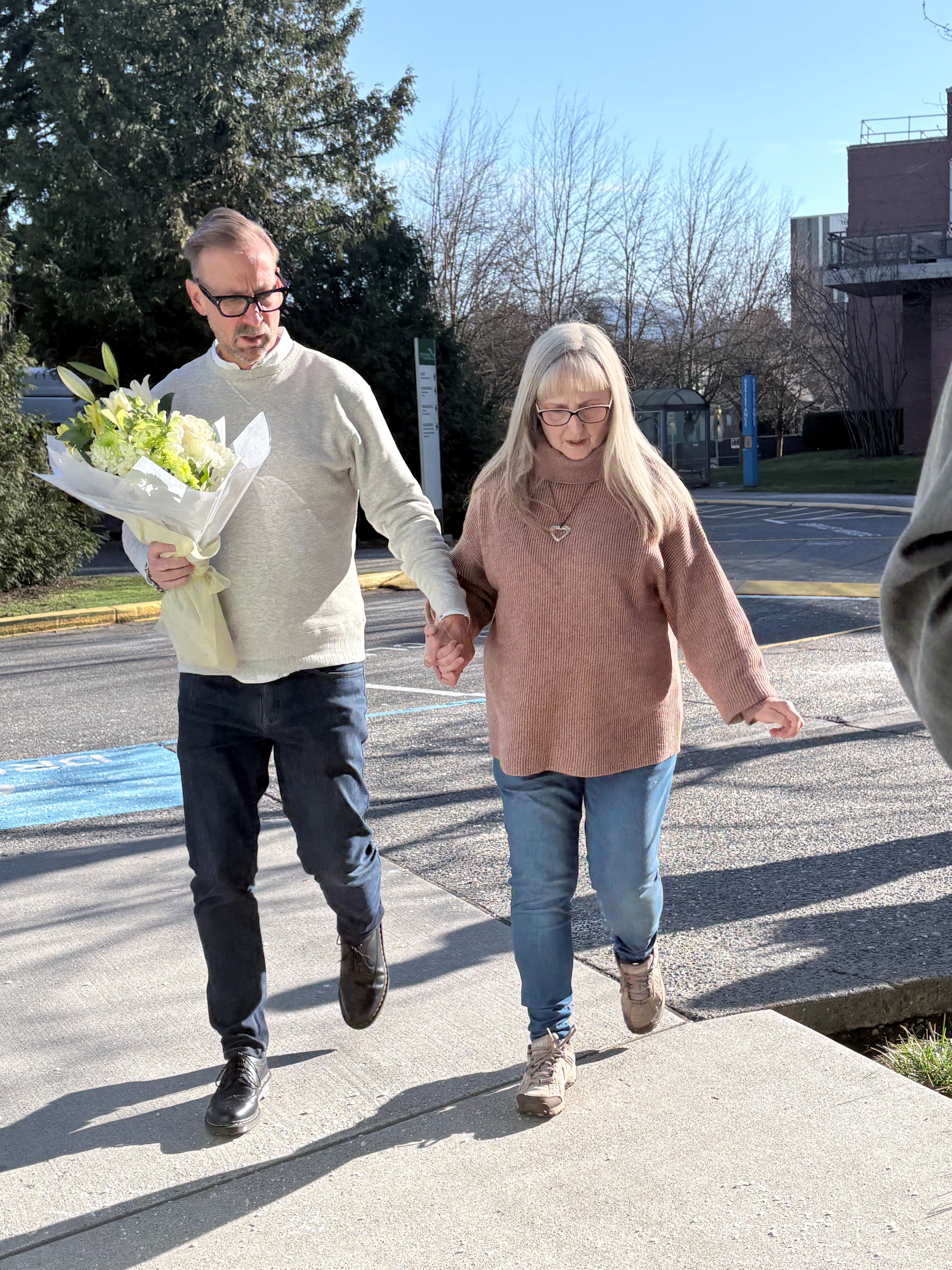
The direct connection between the two sides of donation and transplantation has been incredibly healing and marks a new chapter for both families.
“I’m a firm believer that everything happens for a reason,” Holly says. “What we have experienced has helped us tremendously. Now we can move forward, and we have not one, but two new people in our lives.”
Mark now has a sense of peace he hadn’t realized he was missing.
“I didn’t realize how unsettled my spirit was until the days after our meeting. Now, I feel like I can properly honour the person who saved my life, Ben Warner, the twin brother I never knew, his extraordinary mother Holly and his big sister Courtney. There is far more beauty in this journey than I had ever dreamed possible.”
—---
One organ donor can save up to eight lives. Are you registered? Register your decision today at registeryourdecision.ca. You can register at any age - young or old. All you need is your Personal Health Number.